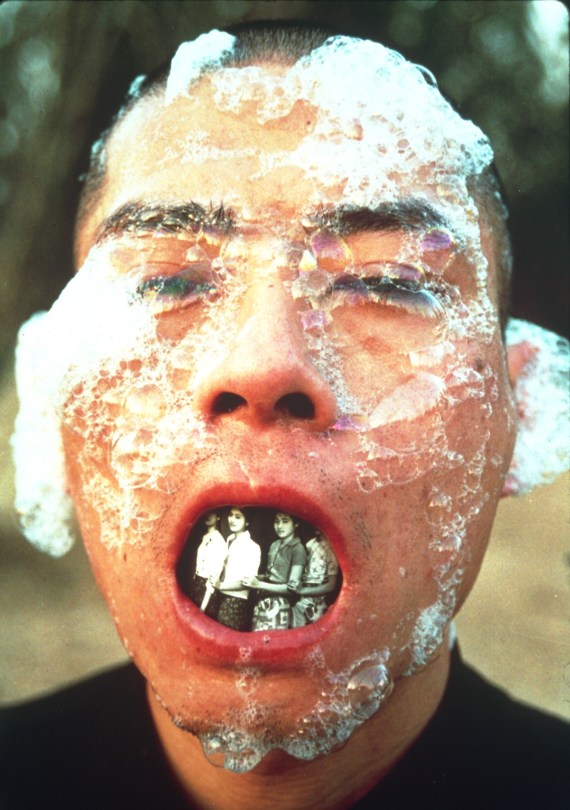
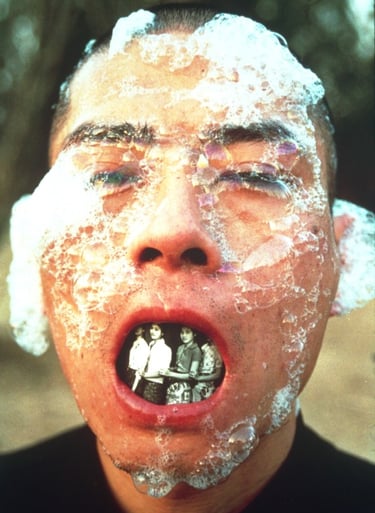
Zhang Huan es uno de los artistas chinos contemporáneos más importantes del panorama internacional, reconocido tanto por su obra pionera en arte performativo como por sus esculturas e instalaciones monumentales. Nacido en 1965 en Anyang, provincia de Henan (China), estudió Bellas Artes en Beijing antes de formar parte del vibrante movimiento artístico de la escena alternativa del East Village de Pekín en los años 90. Su trabajo performativo temprano exploró los límites del cuerpo, la identidad y la resistencia física, como en piezas icónicas donde empleaba su propio cuerpo como medio de expresión, documentadas en fotografía y vídeo.
Tras su traslado a Nueva York en 1998, Zhang amplió su práctica hacia proyectos de mayor escala, participando en bienales internacionales y ganando reconocimiento por su profunda reflexión sobre la memoria, la espiritualidad y la cultura. A partir de mediados de los 2000, centró gran parte de su producción en esculturas e instalaciones que combinan tradición y contemporaneidad, destacando el uso innovador del ceniza de incienso —un material cargado de significado simbólico ligado a la espiritualidad budista— para crear obras que dialogan con temas de impermanencia, historia y transcendencia.
Su obra ha sido mostrada en museos y exposiciones de primer nivel en todo el mundo, desde la Bienal de Venecia hasta importantes retrospectivas en Nueva York, y continúa siendo una presencia influyente y en constante evolución en el arte contemporáneo global.
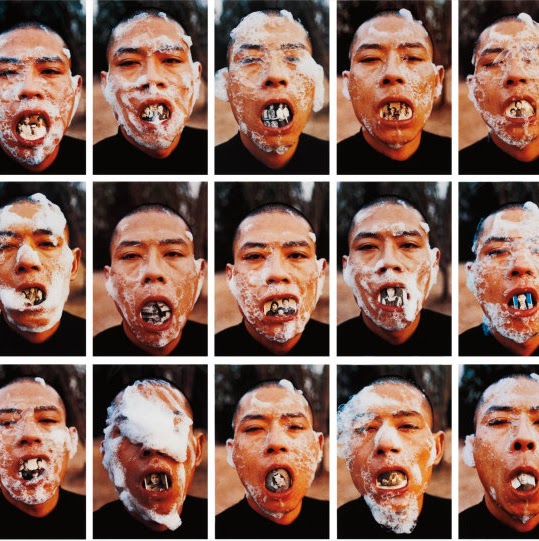
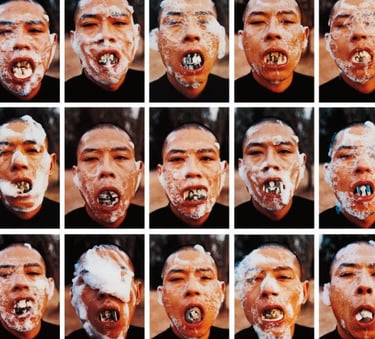
Zhang Huan is one of the most important contemporary Chinese artists on the international stage, recognized both for his pioneering work in performance art and for his monumental sculptures and installations. Born in 1965 in Anyang, Henan Province, China, he studied Fine Arts in Beijing before becoming part of the vibrant alternative art scene of Beijing’s East Village in the 1990s. His early performance work explored the limits of the body, identity, and physical endurance, as seen in iconic pieces where he used his own body as a medium, documented through photography and video.
After moving to New York in 1998, Zhang expanded his practice to larger-scale projects, participating in international biennials and gaining recognition for his profound reflections on memory, spirituality, and culture. From the mid-2000s onward, much of his production focused on sculptures and installations that merge tradition with contemporary practices, notably using incense ash, a material rich in symbolic meaning connected to Buddhist spirituality, to create works that engage with themes of impermanence, history, and transcendence.
His work has been exhibited in top museums and exhibitions worldwide, from the Venice Biennale to major retrospectives in New York, and he continues to be an influential and evolving presence in global contemporary art.
LAVIO Art Gallery
Murcia - Shanghai
Contact
(+0034) 628990629
lavioartgallery@gmail.com